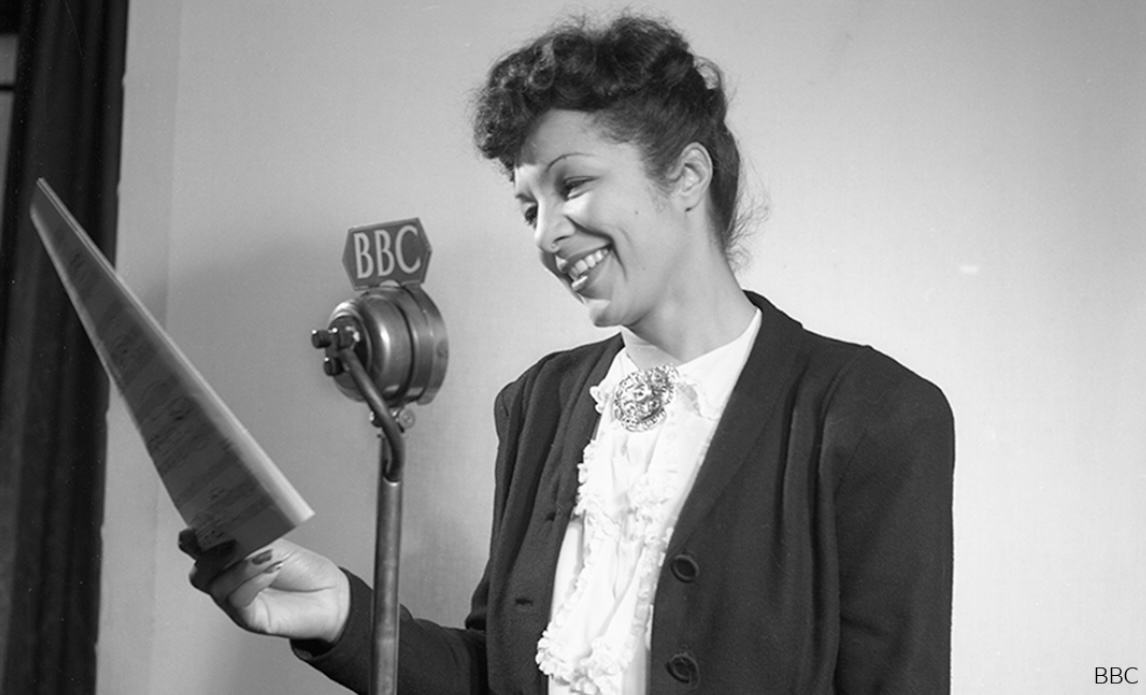
The Dove family.
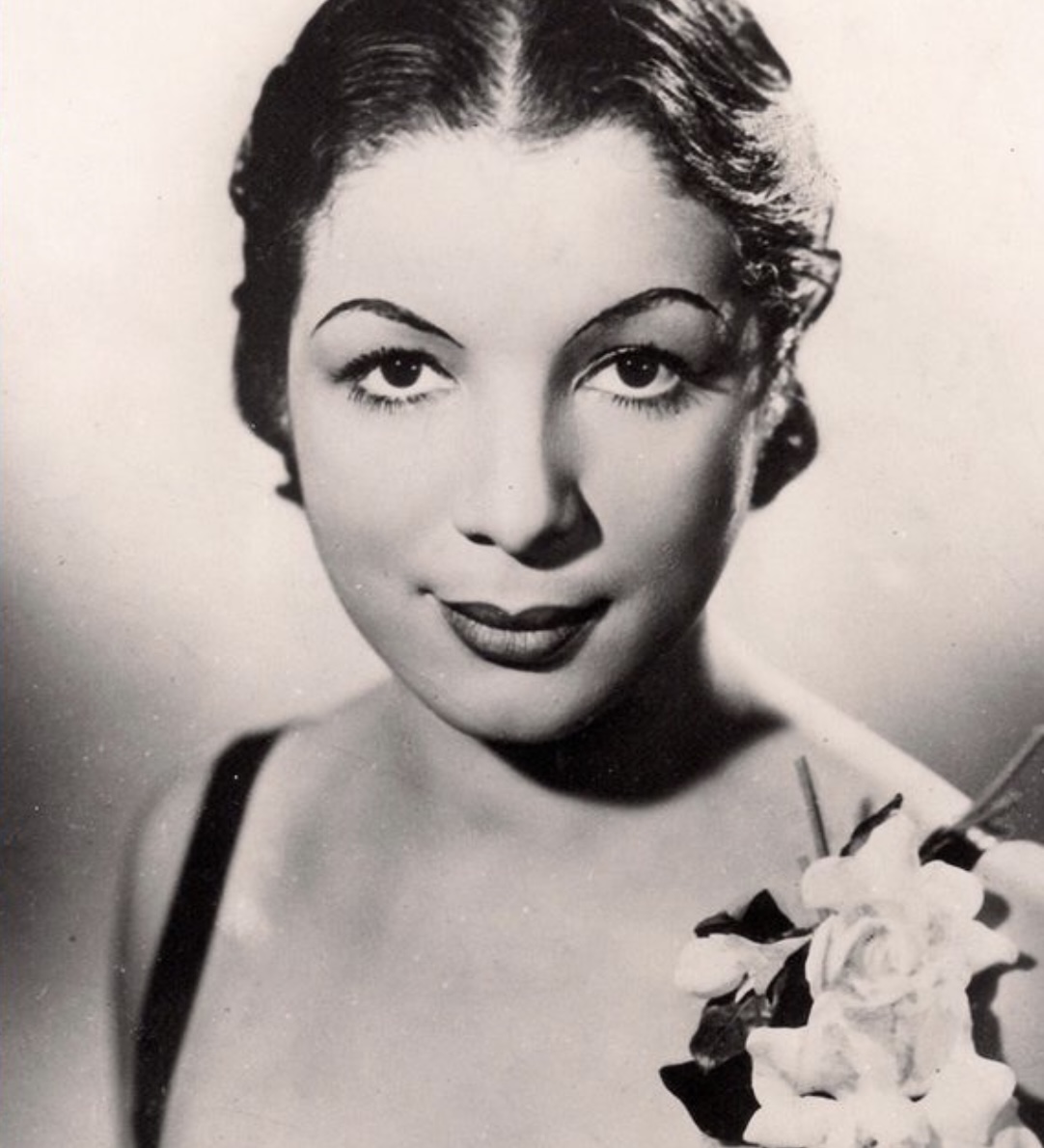
The Doves are a West African family known for public service across the law, journalism, education, the church and performance. Members of the family have practised at the bar in Sierra Leone and the Gold Coast, sat in legislative assemblies, founded and led institutions, performed across European stages, and served in two world wars.
Notable Doves
-
Francis (Frans) DoveBarrister · sports pioneer · West AfricaA prominent West African barrister of the late nineteenth and early twentieth century, practising across Sierra Leone and the Gold Coast and a leading figure in the early generation of African legal professionals. He helped introduce tennis, cricket and horse racing to West Africa, and was presented to King George VI shortly before his death.
-
Frederick William Dove (F.W. Dove)Pan-Africanist · Deputy Mayor of FreetownA founding figure in early Pan-African political organising, involved in the National Congress of British West Africa and a leading voice for African self-determination in his generation. He also served as Deputy Mayor of Freetown.
-
Frank DoveOlympian · decorated soldierAn Olympian, First World War soldier and Military Medal recipient, one of the small number of Black servicemen recognised for distinguished conduct in the war, who went on to a career in law.
& many more.
The Ghartey lineage.
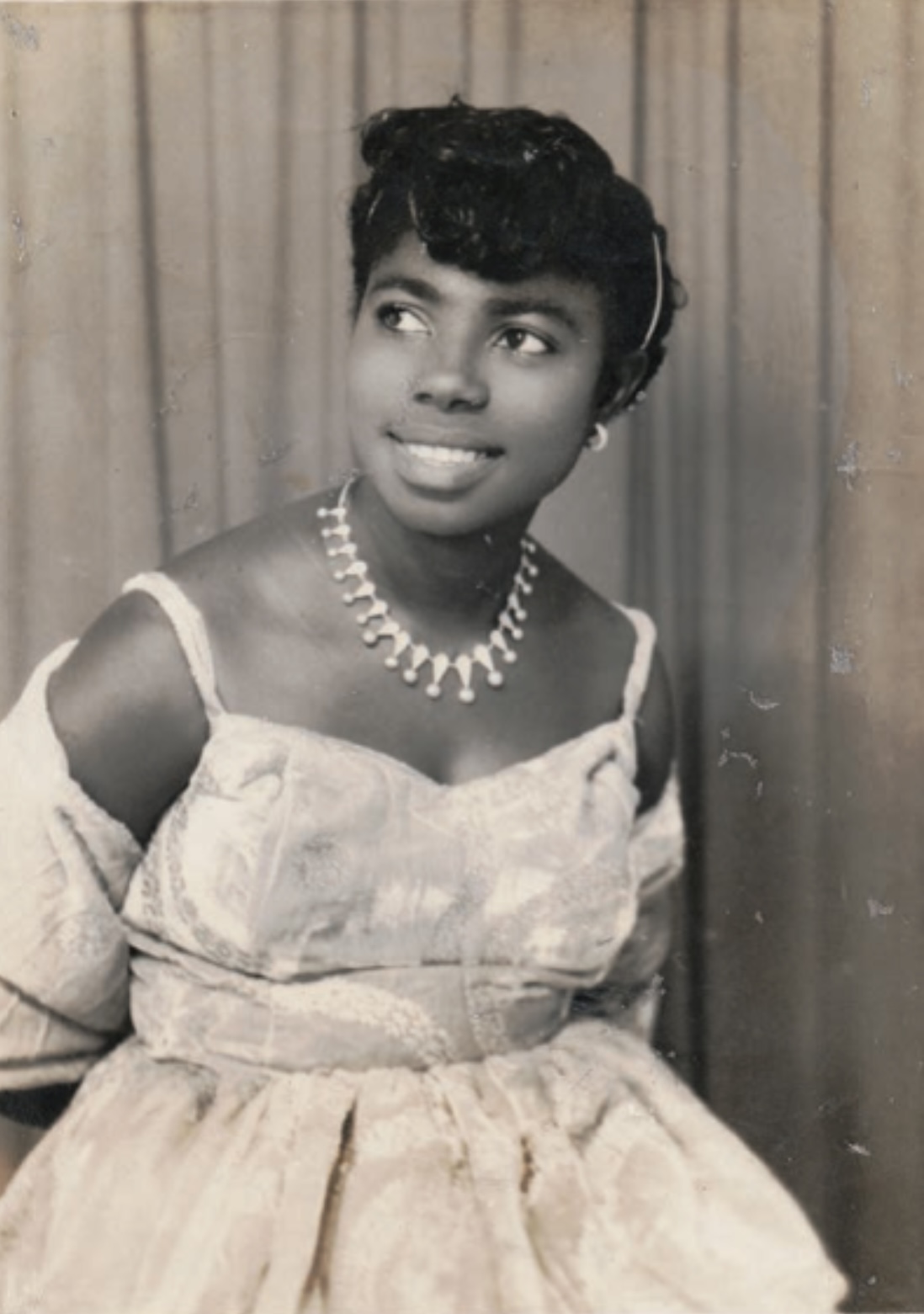
The Ghartey side of the Foundation's name refers to a Ghanaian lineage rooted in the Effutu Paramountcy of Winneba. The line runs through education, diplomacy, broadcasting, law and politics across the past century and a half.
-
Alex Quaison-SackeyGhanaian diplomat, 1924 — 1992In 1964, Quaison-Sackey became the first Black African elected President of the United Nations General Assembly. He served as Ghana's Permanent Representative to the United Nations, later became Ghana's Minister for Foreign Affairs, and served in cabinet. He was a defining figure in the international voice of newly independent Africa.
-
King Ghartey IVParamount Chief, Effutu StateA nineteenth-century Paramount Chief of the Effutu State and the first King-President of the Fante Confederation. He was an early advocate of Western education in his kingdom and a patron of schooling for both boys and girls at a time when neither was guaranteed.
-
H.E. Peter Kwamena AbbamGhanaian diplomat & ambassadorEducated at Mfantsipim and St John's College, Oxford, Peter Abbam built a career in the Ghana Foreign Service that spanned the establishment of many of Ghana's missions abroad. The Foundation's diplomacy prize is awarded in his honour.
& many more.
The Ghartey lineage also includes, in subsequent generations, a Director-General of the Ghana Broadcasting Corporation, a government minister, a President of the Ghana Bar Association, and senior figures across academia, medicine and business. Not all are named here; what they share is a continuing record of public service.
The Ghartey Dove Girls Project.
The Foundation began as the Ghartey Dove Girls Project, a grassroots initiative working in West Africa on education, employment and entrepreneurship for young women and girls. The aim was specific: self-sufficiency, and breaking beyond the expectations placed on them.
Both family names were on the door for a reason. They stood for two long records of public service, channelled toward the largest group in the world still without equity. Women are roughly half the population. They remain the most consistently under-served by the institutions that decide on their lives, from regulation and clinical care through to education and political representation. The Foundation exists, in part, to use what these lineages built outward, where it is most needed.